
Projects
Projects are one of GTEC’s main undergraduate programs and an incredible way to gain hands-on experience with energy-specific engineering problems. At the start of each semester, members choose the project they want to join and spend the following months working alongside their team toward a shared end goal.
What are we working on?
Bicycle Generator
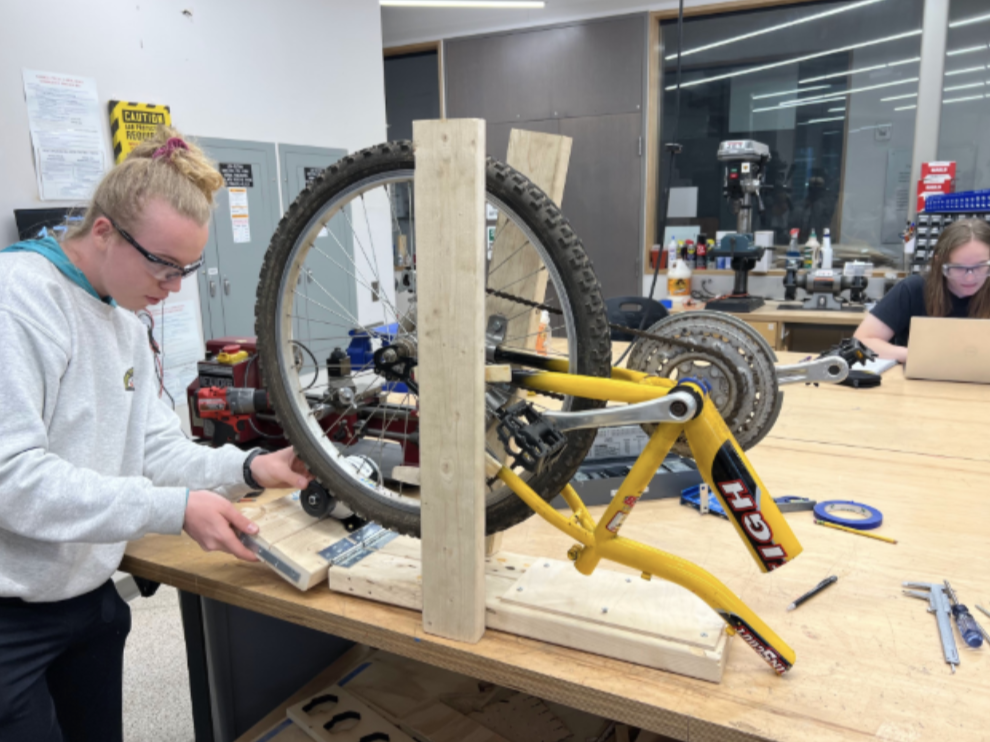
Turn pedal power into electricity. Pedaling the bike generates power you can use right at an outlet, while a data interface lets you watch the energy you’re producing in real time. This team builds the bike rig and gearbox from the ground up and designs a custom generator to turn every pedal stroke into usable electricity.
Collapsible Solar Array
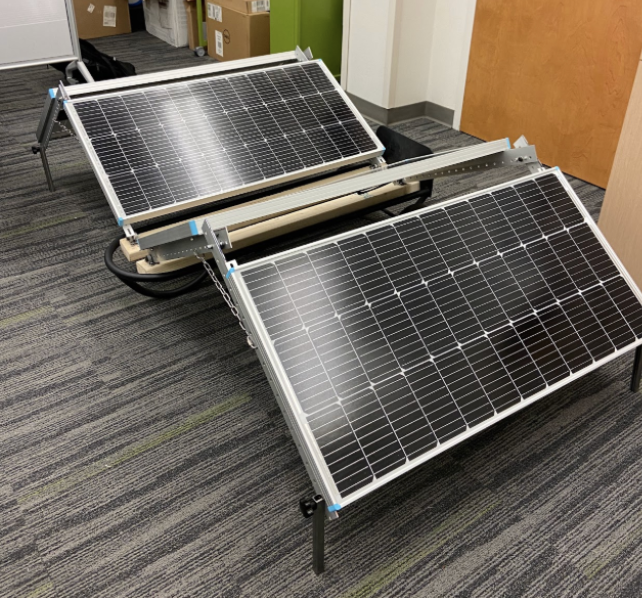
Turn pedal power into electricity. Pedaling the bike generates power you can use right at an outlet, while a data interface lets you watch the energy you’re producing in real time. This team builds the bike rig and gearbox from the ground up and designs a custom generator to turn every pedal stroke into usable electricity.
Mobile Charging Station
A portable battery-powered unit that can charge or power several devices at once. This team designs the portable package and the battery array that drives it. Members also handle the charging and outlet design along with the circuitry that ties it all together. Thermal regulation and safety measures round out the build so the unit stays cool and safe to use anywhere.

Flow Battery (From Scratch)
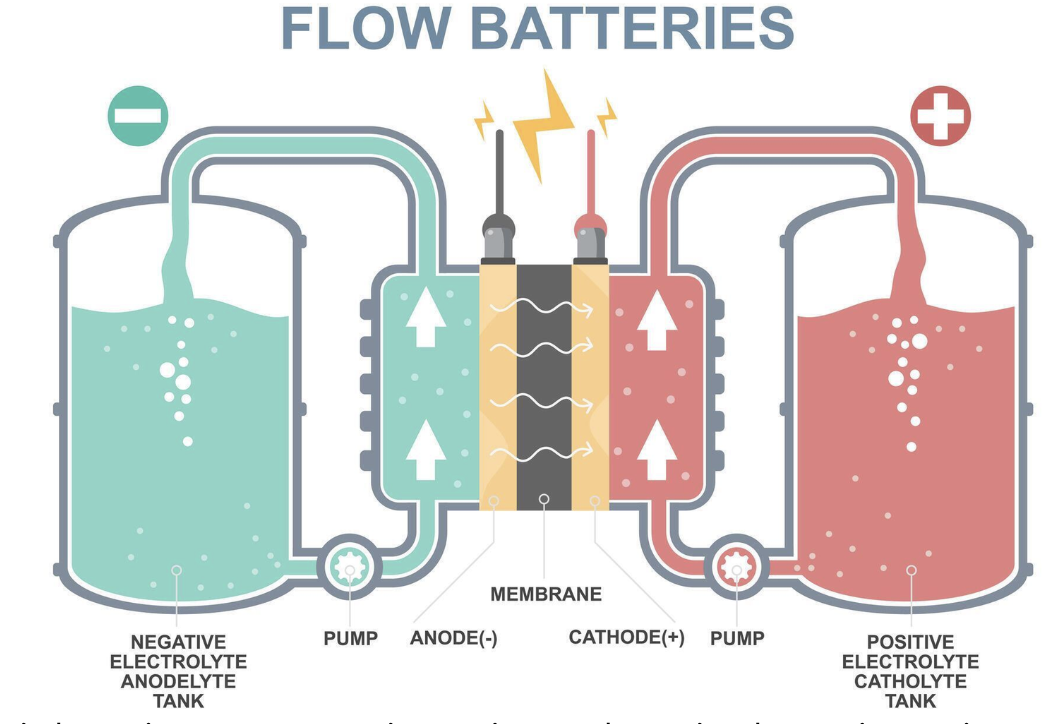
This battery stores energy through redox chemistry in an iron oxide electrolyte, which sits in external tanks and flows into the battery cell. Because capacity scales with the size of those tanks, flow batteries are a promising option for large-scale grid storage. This team is building an iron oxide battery cell from scratch with custom electrodes and an ion membrane.
Cloud Chamber
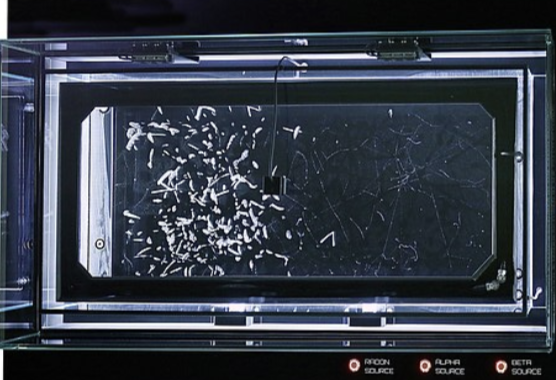
Radiation is all around us, but we can’t see it. A cloud chamber changes that by using a vapor to reveal the trails left by ionizing particles from radioactive sources. This team is designing and building the vapor chamber along with an electric-powered refrigeration system that sustains the vapor so those trails can form. It’s a hands-on introduction to the physics behind nuclear energy.
Piezoelectric Sidewalk
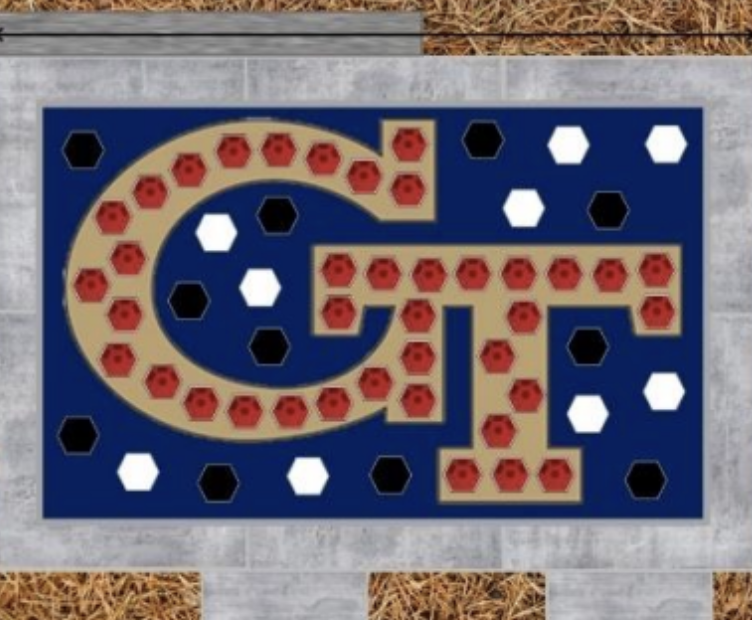
Every footstep carries energy, and this sidewalk puts it to work. Piezoelectric materials produce a small electric charge when they’re compressed, so each step across the sidewalk adds to the power it generates. Placed in a high-traffic area, all those footsteps add up, and built-in solar power boosts the output even further. Because the workload comes in waves, the team organizes its work around dedicated Build Events, so you can jump in when the timing works for you.